
Why Global IOR Providers Struggle in Turkey (And How to Fix It)
Turkey remains one of the most operationally demanding jurisdictions for IOR execution. Here is why standardized models fail.
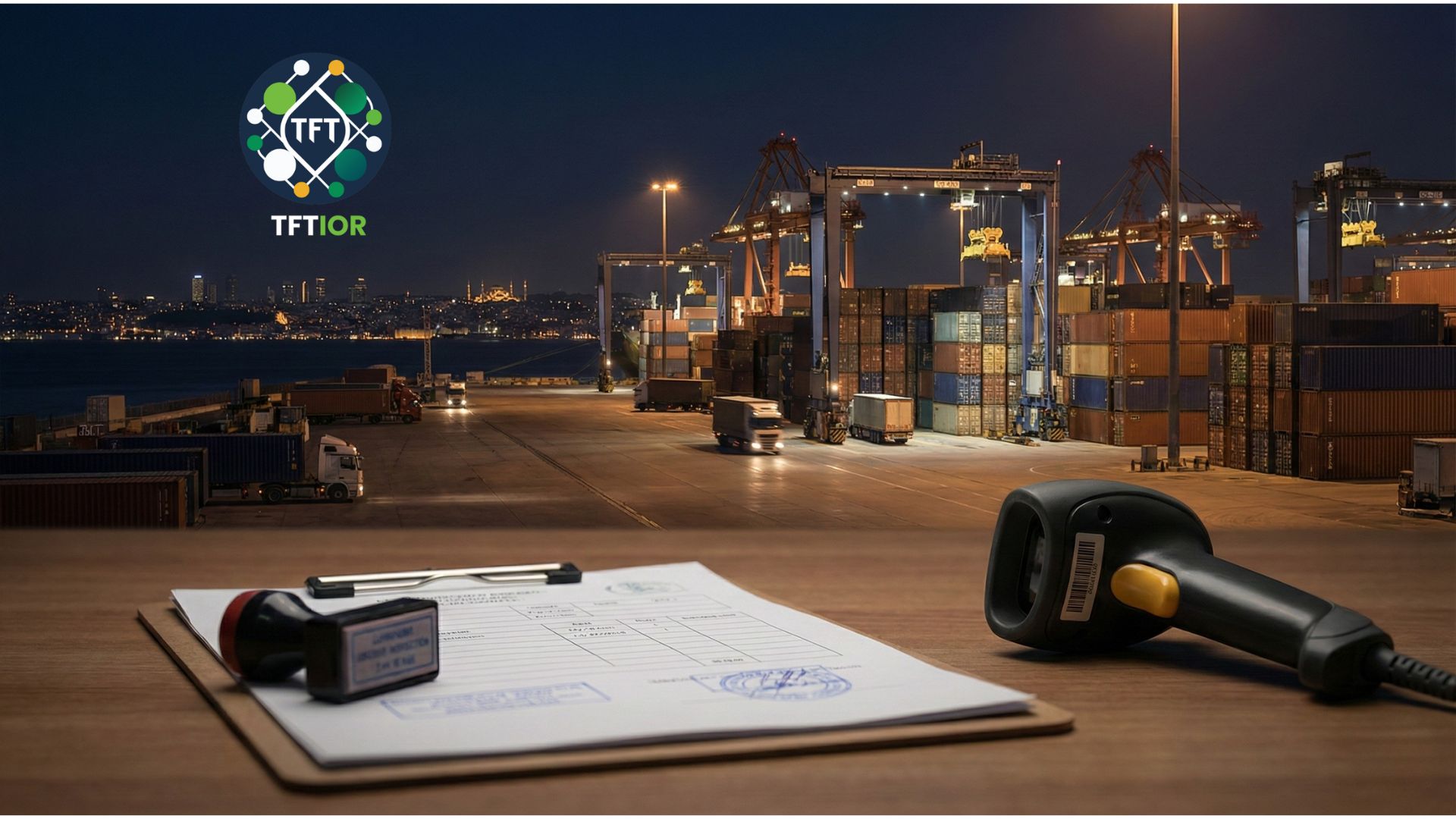
For many global Importer of Record (IOR) providers, Turkey is initially treated as a familiar emerging market. On paper, the process appears manageable: HS classification, VAT assessment, conformity documentation, and customs declaration.
In practice, Turkey consistently proves to be one of the most operationally demanding jurisdictions for IOR execution—particularly for technology, telecom, medical devices, and refurbished equipment.
This disconnect between expectation and reality explains why otherwise capable global IOR providers encounter delays, unexpected compliance holds, or post-clearance exposure when operating in Turkey.
Where Global IOR Models Break Down
Most global IOR frameworks rely on centralized processes designed to scale across multiple countries. While effective in uniform regulatory environments, this approach fails in Turkey due to layered local enforcement.
The most common breakdown points include:
- Fragmented regulatory oversight: Import approvals are distributed across multiple authorities. Depending on the product, requirements may involve telecom registration, safety conformity (TSE), health authorities, or ministry-level permits.
- Refurbished and used equipment controls: Turkey applies specific permissions and policy interpretations to refurbished hardware. Global models that treat used goods as a minor classification variant frequently face clearance blocks.
- Valuation sensitivity and audit exposure: High-value imports—servers, GPUs, medical systems—are subject to increased scrutiny under Turkey’s risk-based customs controls, often extending beyond initial clearance.
- Digital customs enforcement: The Single Window System flags data inconsistencies automatically. Minor declaration or invoice mismatches can trigger procedural delays or compliance holds.
These are structural realities, not edge cases.
Why “Paper IOR” Structures Fail
A recurring weakness among global providers is reliance on nominal or “paper IOR” arrangements—where the IOR exists contractually but execution is fragmented across brokers, forwarders, and intermediaries.
In Turkey, this structure fails because:
- Legal responsibility cannot be abstracted from operational control.
- Customs authorities expect the IOR to actively manage compliance, not merely sponsor documentation.
- Post-clearance liability rests with the registered IOR entity, not third parties.
When shipments are delayed or questioned, providers without direct local execution capability often lack the authority to resolve issues in real time.
Turkey Requires Execution, Not Sponsorship
Successful IOR execution in Turkey depends less on global scale and more on local operational authority. Effective execution typically includes:
- Direct control over customs declarations and supporting documentation.
- Familiarity with ministry-level approval workflows.
- Capacity to manage VAT pre-financing and tax exposure.
- Experience handling audits, reclassification, and corrective filings.
Without these capabilities embedded locally, standardized IOR models remain fragile.
In practice, these challenges are resolved only through direct local execution. See our Turkey-based operating entity, Transparent Foreign Trade, which handles Importer of Record services directly under Turkish customs and regulatory frameworks.
→ Reference: Transparent Foreign Trade – Turkey IOR ExecutionHow Global IOR Providers Can Fix the Turkey Gap
Providers that stabilize their Turkey operations typically implement four changes:
- Shift from sponsorship to execution: The IOR must actively own compliance, not merely appear on paperwork.
- Embed local regulatory intelligence: Telecom, medical, and refurbished equipment rules must be handled natively, not escalated reactively.
- Account for audit-level responsibility: Compliance exposure extends beyond clearance and must be built into the IOR model.
- Integrate local operators into the global network: Turkey execution should be a core capability, not an exception.
Conclusion: Turkey Is Difficult—but Predictable
Turkey remains a strategic market for technology deployment, clinical trials, and regional distribution. It is not forgiving of generic IOR models, but it is predictable when handled with proper local execution.
Global IOR providers that recognize Turkey as a high-compliance jurisdiction—and align their operational structures accordingly—can execute reliably. Those that do not will continue to face avoidable friction in an otherwise accessible market.
Need operational clarity for Turkey imports?
Connect with our local specialists to ensure your shipments clear customs without delay.
Contact Turkey Support